
News center
What new trade investigations mean for steel pipe exports
A new trade investigation can turn a competitive steel pipe quotation into an uncertain purchasing decision. The immediate effect is not necessarily a new duty: an investigation may be initiated without a final measure ever being imposed. However, provisional duties, cash deposits, import licensing requirements or later assessments can change the landed cost and timing of a shipment.
The practical response is to establish whether the precise pipe, country of origin, producer and importer are covered, then identify which stage the case has reached. Business evaluators should compare the commercial exposure under several outcomes rather than treat a headline as either an automatic ban or a problem that can wait until a final decision.
Start with the investigation, not the headline
Steel Pipe Export News can alert a purchasing team to a potential change, but the official notice defines the issue that matters for a transaction. A report may refer broadly to “steel pipe” while the investigation covers only a specified group of products. The notice can distinguish pipes by manufacturing method, dimensions, material, end use or other physical characteristics. A familiar product name alone is not enough to determine coverage.
Begin by recording the importing jurisdiction, the exporting country or countries named, the investigating authority, the case reference and the current procedural stage. Then compare the written product description with the proposed order. Relevant details may include whether the pipe is seamless or welded, its outside diameter and wall thickness, steel grade, coating, processing condition and intended application.
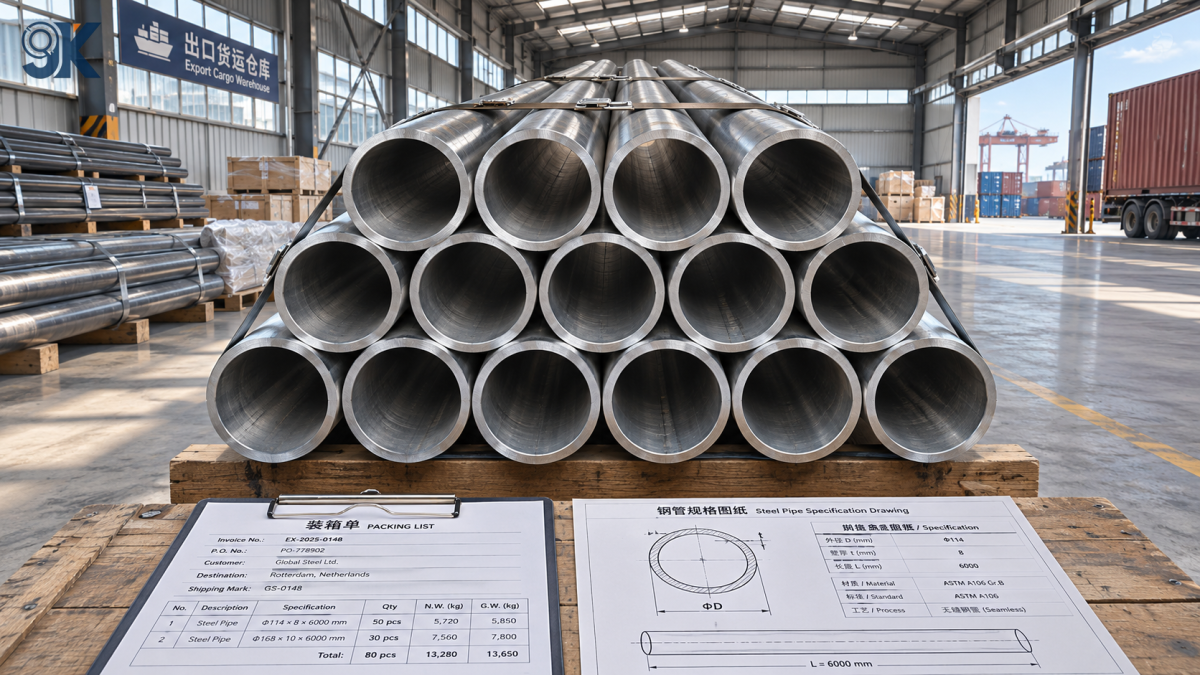
The tariff classification is an important starting point, but it may not settle the scope question by itself. Notices can describe covered goods in words as well as tariff codes, and classifications can change or include products outside a case. Keep the specification, drawings and product description together so the customs classification and scope assessment are based on the same facts.
Different measures create different exposures
Trade investigations do not all address the same issue. Their procedures and consequences vary by jurisdiction, so the legal basis in the notice matters when estimating risk.
- Anti-dumping investigations examine alleged dumping and injury under the applicable rules. A resulting measure can increase the cost of covered imports, and rates may differ by producer or exporter.
- Countervailing investigations concern alleged subsidies and injury. They can run alongside anti-dumping cases, making it important to check the effect of each proceeding rather than model only one potential charge.
- Safeguard investigations address increased imports and serious injury or threat under the applicable framework. A safeguard measure may take a different form, such as an additional duty or a quota arrangement, and its country coverage must be checked separately.
- Circumvention or scope proceedings may examine whether a product, supplier arrangement or change in processing falls within an existing measure. A shipment should not be assumed exempt merely because its description or route has changed.
An investigation is not the same as a finding, and a preliminary finding is not necessarily the final outcome. Authorities may terminate a case, impose provisional measures, revise their conclusions or introduce definitive measures. The applicable notice should be checked for effective dates, the treatment of goods already in transit and any product or company-specific provisions.
In some systems, amounts collected at entry are provisional deposits rather than the final liability. Subsequent reviews or assessments can change the amount owed or refunded. The mechanism is jurisdiction-specific; do not assume that a deposit shown on an import entry is the ultimate cost.
Build a landed-cost range before approving the order
A supplier’s pipe price is only one component of the decision. Start with the agreed goods value and add freight, insurance where applicable, ordinary customs duty, import charges and clearance costs. Then model the trade-remedy exposure separately, using the applicable rate and calculation basis if a measure is already in force. Where no rate has been announced, use clearly labelled commercial scenarios rather than presenting an assumed rate as a forecast.
The valuation base matters. A duty applied to customs value is not necessarily calculated on the same amount as a charge applied per unit of weight. Depending on local rules, multiple measures may also interact with other duties or taxes. The importer or customs adviser should validate the calculation method before the scenario becomes a budget commitment.
The date of contract, dispatch, arrival and customs entry are not interchangeable. A purchase agreement signed before an announcement does not automatically protect goods that enter later. Conversely, whether a measure reaches earlier imports depends on the applicable law and the wording of the decision. Map the shipment milestones against the published effective dates instead of relying on a general assumption about “orders already placed.”
Trace the pipe through production and export
Company identity can be commercially significant. A quotation may come from a trading company, while the relevant measure distinguishes producers, exporters or combinations of the two. Request the legal names and addresses of the parties involved, the manufacturing location and a clear explanation of who will appear on the commercial and customs documents. A rate associated with one company should not be applied to another without checking the terms of the measure.
Origin also requires more than identifying the port of shipment. Dispatch from a particular country does not by itself establish the pipe’s non-preferential origin, and a certificate or invoice should be consistent with the manufacturing facts. Cutting, coating or other processing in another location may or may not change origin or affect scope. That determination depends on the rules applied by the importing jurisdiction and the actual operations performed.
For an order under review, assemble a document trail that can support both the technical description and the commercial transaction:
- Purchase order, contract and invoice with consistent product descriptions, quantities and prices.
- Drawings or specifications identifying dimensions, manufacturing method, grade and processing requirements.
- Mill test or production documentation where available and relevant, linked to the supplied goods.
- Transport and packing documents showing the parties, route, packages and shipment references.
- Origin evidence and any declarations required by the importing jurisdiction, supported by the underlying production facts.
Consistency is useful, but identical wording across documents is not a substitute for accuracy. Resolve discrepancies before entry: an abbreviated invoice description, an unexplained change of producer or a mismatch in dimensions can make a scope or origin review harder. Retain records in accordance with the importing jurisdiction’s requirements, including records needed for any later assessment or review.
Separate supplier risk from country-level risk
A country named in a case may still have producers with different treatment, while a low quoted price may depend on a rate that is unavailable to the actual shipment. Ask the supplier to identify the proposed mill before evaluating the offer, and check whether that mill can be changed without notice. If production is subcontracted, confirm how the change will be communicated and whether it affects the duty analysis.
Alternative sourcing can reduce concentration risk, but it introduces its own qualification work. A pipe from a different origin or manufacturing route must still meet the required specification, tolerances, inspection requirements and delivery schedule. Check whether that alternative is subject to an existing order, a separate investigation or an origin inquiry before using its price as the comparison baseline.
Do not treat rerouting, relabelling or minor processing as a way to avoid a measure. The actual origin and product characteristics remain relevant, and authorities may investigate arrangements that appear designed to circumvent an order. A legitimate alternative should have a verifiable production chain and documents that reflect the transaction.
Put uncertainty into the contract and shipping plan
Commercial terms should state who acts as importer of record and who is responsible for customs declarations, duties, deposits and any later adjustment. Incoterms can help allocate transport and certain import responsibilities, but their use alone may not resolve every question about a newly imposed trade remedy. The contract should address the specific exposure rather than relying on a vague statement that the price includes “all costs.”
Useful provisions may define what happens if a measure takes effect between quotation and entry, which official event triggers a price review, and whether either party can defer or cancel an unshipped balance. For longer production schedules, consider a validity period for the quotation and a process for approving any change in producer, origin or shipment date. The wording should also deal with supporting documents and cooperation if the importer faces a customs inquiry.
Shipping decisions deserve a separate review. Consolidated cargo can involve different handling and scheduling constraints from a full container or bulk shipment; the relevant question is whether the selected route and service can meet the required entry window. A rushed departure does not guarantee entry before a measure takes effect, and holding goods at origin can create storage or production costs. Compare those costs with the potential duty exposure before changing the plan.
Maintain a live decision record
Assign responsibility for monitoring the official case record from quotation through customs entry. At each material update, record the notice date, stage, scope language, applicable companies, rate or deposit requirement, effective date and any deadline relevant to participation or documentation. Distribute changes to procurement, finance, logistics and the party handling customs clearance so that the purchase price and entry instructions are not based on different versions of the case.
Where scope, origin, rate eligibility or potential retrospective liability is unclear, obtain a case-specific assessment from qualified trade or customs counsel in the importing jurisdiction. The decision record should preserve the facts supplied for that assessment; a change in pipe specification, producer or processing route can invalidate a conclusion reached for an earlier quotation.
Latest News
- How do iron ore prices affect steel pipe price trends?
- How do tariffs affect square tube export markets?
- How steel pipe price trends affect inventory valuation
- Steel pipe price forecast for 2026 amid changing raw material costs
- Square Tube Export News: What Buyers Should Watch in Freight and Supply
- What new trade investigations mean for steel pipe exports
Send Us A Message

