
How does steel coil price affect corrugated sheet production costs?
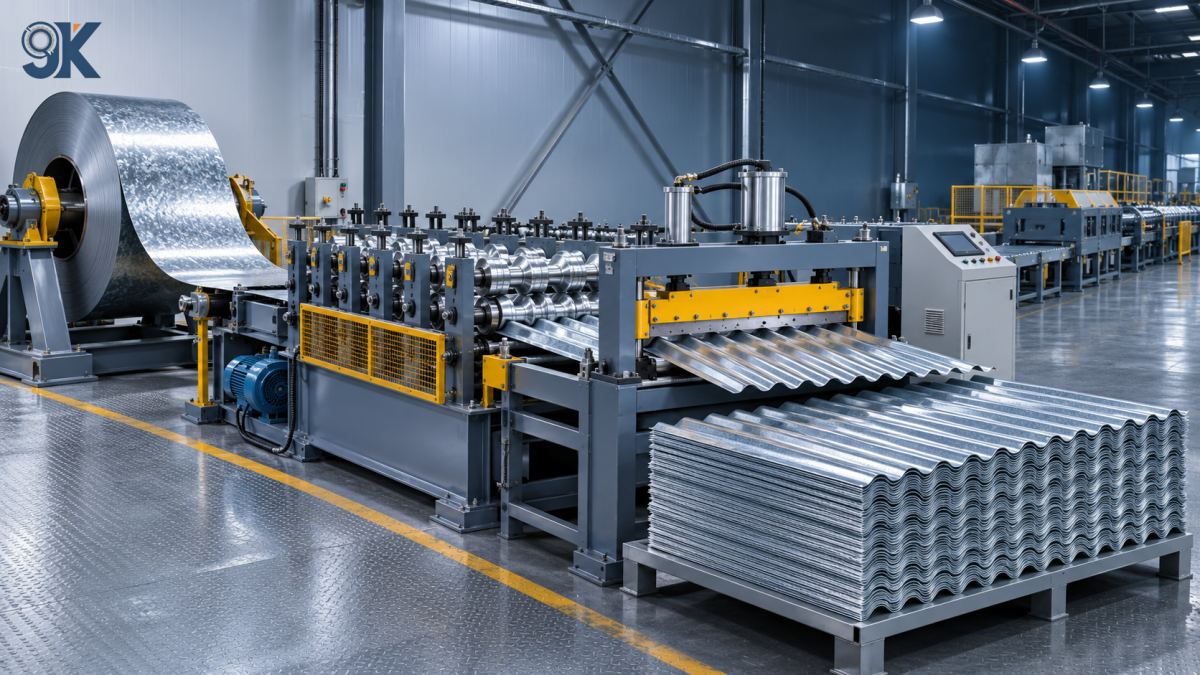
Steel coil price directly affects corrugated sheet production costs because the coil is the main material entering the forming line. A higher coil price usually raises the cost of each finished sheet, but the increase is not always proportional: coating, purchased weight, production yield, processing charges, and delivery terms determine how much of the change reaches the final quote.
When a revised supplier quotation arrives after a coil price increase, the decision is not simply whether the percentage increase looks reasonable. The useful comparison is the change in coil cost per unit of saleable output, plus any independently justified changes in conversion and delivery costs. That distinction helps prevent an approval based on a lower headline price that later proves more expensive per usable square meter.
Start with the cost per saleable sheet, not the coil price alone
A corrugated sheet producer generally purchases flat steel coil, feeds it through a roll-forming line, cuts the profile to length, and packs the finished sheets. Depending on the product, the coil may already be metallic-coated or painted. The producer may also purchase uncoated material and arrange additional processing, so the cost model must follow the actual supply route.
A practical calculation starts with the following relationship:
Finished-sheet cost = coil cost allocated to saleable output + conversion costs + packaging and delivery costs + other applicable charges.
When coil is purchased by weight, the allocation depends on how much purchased material is required to produce the saleable quantity. Yield loss from trimming, cut ends, setup pieces, damaged material, and other rejects increases the amount of coil charged to each usable sheet. Scrap may have a recovery value, but it should only be credited when the expected recovery and ownership are clear.
Conversion costs can include roll forming, cutting, labor, energy, equipment upkeep, and inspection. A supplier's selling price may also include overhead, financing, and margin. These items should not automatically rise at the same rate as coil unless the supplier can explain the link.
Translate a coil price change into a sheet cost change
The cleanest comparison uses a consistent unit. If coil is quoted per metric tonne and finished sheets are priced per square meter, first establish the purchased coil weight needed for each square meter of finished coverage or sheet area. Confirm which area the supplier uses: the total developed sheet area and the effective coverage area after overlap are not interchangeable.
For an illustrative calculation, assume a producer needs 1.05 tonnes of purchased coil to deliver one tonne of saleable sheet after process losses. If the coil price rises by 100 currency units per tonne, the material cost attributable to that finished tonne rises by approximately 105 currency units, before any change in scrap recovery or other costs. The figures illustrate the method; actual yield and prices must come from the order and production records.
Expressed another way:
Change in material cost per tonne of saleable sheet = change in coil price per tonne × purchased coil tonnes required per tonne of saleable sheet.
This calculation assumes the coil specification and yield remain unchanged. It does not justify applying the same increase to freight, packaging, or conversion fees. Nor does it capture a change in financing or inventory cost; those should be shown separately where applicable. The currency, tax treatment, and delivery point must also remain consistent between the old and new prices.
Check the basis of the yield figure
Yield can be expressed on a weight, length, or sheet-count basis. A weight yield is useful for allocating a coil bought by weight, but it does not by itself show whether the delivered sheets meet the required dimensions and coverage. Ask whether the figure includes edge trimming, line setup, rejected sheets, and short coil remnants. A yield calculated only from material that enters the forming machine may exclude losses incurred earlier in the process.
Different sheet lengths can affect yield even when thickness and profile remain unchanged. Cut-to-length requirements, minimum usable remnant lengths, and the number of changeovers may all alter the quantity of saleable output. Use an order-specific estimate when a quotation covers unusual lengths or small batches.
Coating and thickness can change the comparison
Two coil prices are meaningful only when they refer to comparable material. Base steel grade, nominal thickness, width, metallic coating, paint system, and tolerances can all affect the price and the quantity of steel required. A lower-priced coil is not necessarily a saving if it does not meet the sheet specification or if its actual width produces more edge waste.
Coated coil also requires careful weight accounting. A quoted tonne may include the metallic coating and, where applicable, paint as part of the supplied material. Check whether the quoted thickness refers to base metal or the coated product, and whether the finished-sheet calculation uses the same basis. Mixing base-metal thickness with a coated-coil weight price can distort the material estimate.
Gauge changes deserve particular scrutiny. Thinner sheet may reduce material weight per unit of area, but it may also alter stiffness, span suitability, handling performance, and acceptance under the purchase specification. A cost comparison should therefore use an approved technical specification rather than treat a reduction in thickness as a price adjustment alone.
Similarly, a painted sheet can carry costs beyond the forming operation. If prepainted coil is purchased, paint is normally reflected in the coil price. If painting is arranged separately, the related charge, handling, and potential process loss should appear elsewhere in the estimate. Listing both without clarification risks counting the same coating cost twice.
Separate the coil effect from the rest of the quotation
Ask suppliers to identify the basis of their price rather than requiring them to disclose every internal cost. Even a limited breakdown can show whether two offers cover the same scope. The following distinctions are especially useful during approval:
- Material: coil specification, price unit, pricing date or validity period, and any material surcharge.
- Production: forming, cutting, setup, inspection, and any charge for nonstandard lengths or profiles.
- Loss and scrap: assumed yield, treatment of remnants, and whether any scrap value is credited.
- Delivery: packaging, loading, transport, insurance where included, and the agreed point at which responsibility transfers.
- Commercial terms: currency, tax treatment, payment schedule, quotation validity, and the conditions for a price adjustment.
A fixed per-sheet processing charge may be reasonable for repeat production, while a setup charge may be quoted separately for an irregular order. Either approach can work, provided the comparison uses the same order quantity and finished-sheet dimensions. A price per tonne can conceal differences in sheet coverage; a price per square meter can conceal differences in thickness or coating. Convert both offers to the unit used in the budget and retain the original quotation for verification.
Order volume changes more than the quoted unit price
Larger orders can spread setup, administration, and freight charges across more finished material. They may also allow better use of a coil and reduce remnants. These advantages are not automatic: a large order with many short lengths or frequent profile changes can still generate significant handling and setup costs.
Small orders may carry minimum charges or require the producer to use only part of a coil. Before rejecting a higher unit price, distinguish a one-time setup charge from a recurring material premium. Combining compatible lengths, consolidating delivery, or accepting an agreed production schedule may reduce some charges without changing the required sheet specification.
Volume must also be assessed against inventory exposure. Buying more coil or finished sheet to secure a current price can tie up cash and create storage, damage, or specification-obsolescence risk. Compare the expected saving with the carrying cost over the planned holding period, using the organization's own financing and inventory assumptions. Avoid treating unsold remnants as having full finished-product value.
Choose a pricing arrangement that matches the exposure
A fixed price offers budget certainty for the quantity and period stated in the contract. Its usefulness depends on whether the supplier can obtain the specified material and whether exclusions permit later changes. Review validity, delivery schedule, cancellation terms, and treatment of delayed releases before treating the full order value as fixed.
A price-adjustment clause may be more workable for longer schedules, but the formula needs a defined reference, starting value, review frequency, effective date, and calculation method. It should state which portion of the sheet price is exposed to coil movement. Applying a coil index to the entire delivered price can overstate the change when transport and forming are separate costs. Confirm whether downward movements are treated as well as upward movements and how orders already in production are handled.
Staged purchasing can limit the amount exposed at one time, although it does not guarantee a lower average price. The trade-off is between price certainty, material availability, administrative effort, and the risk of paying separate setup or freight charges. A staged arrangement should identify minimum release quantities and lead times so that apparent savings do not depend on delivery terms that were never agreed.
Keep unrelated steel purchases out of the sheet calculation
Some purchasing packages include several steel products for the same build. Their prices should be assessed on their own specifications and delivery terms rather than used as substitutes for coil quotations. For example, A36 H Beam-(1) is a separate product line; its quoted price does not establish the cost of coated coil or the yield of a corrugated sheet line. Combining items in one order may affect commercial or logistics charges, but any shared saving should be allocated explicitly.
Before approving a revised price
Recalculate the material movement using the original and revised coil prices on the same specification and delivery basis. Multiply the difference by the expected coil input per unit of saleable sheet, then add only separately supported changes in conversion, freight, taxes, or other agreed charges. Compare the result with the supplier's revision and ask about any unexplained difference.
The approval record should retain the assumed yield, sheet dimensions, coverage basis, order quantity, and quote validity. If any of these changes during negotiation, update the calculation before comparing the final offers. This makes the decision traceable without assuming that a change in coil price must translate into an identical percentage change in the finished-sheet price.
Latest News
- How do iron ore prices affect steel pipe price trends?
- How do tariffs affect square tube export markets?
- How steel pipe price trends affect inventory valuation
- Steel pipe price forecast for 2026 amid changing raw material costs
- Square Tube Export News: What Buyers Should Watch in Freight and Supply
- What new trade investigations mean for steel pipe exports
Send Us A Message

